
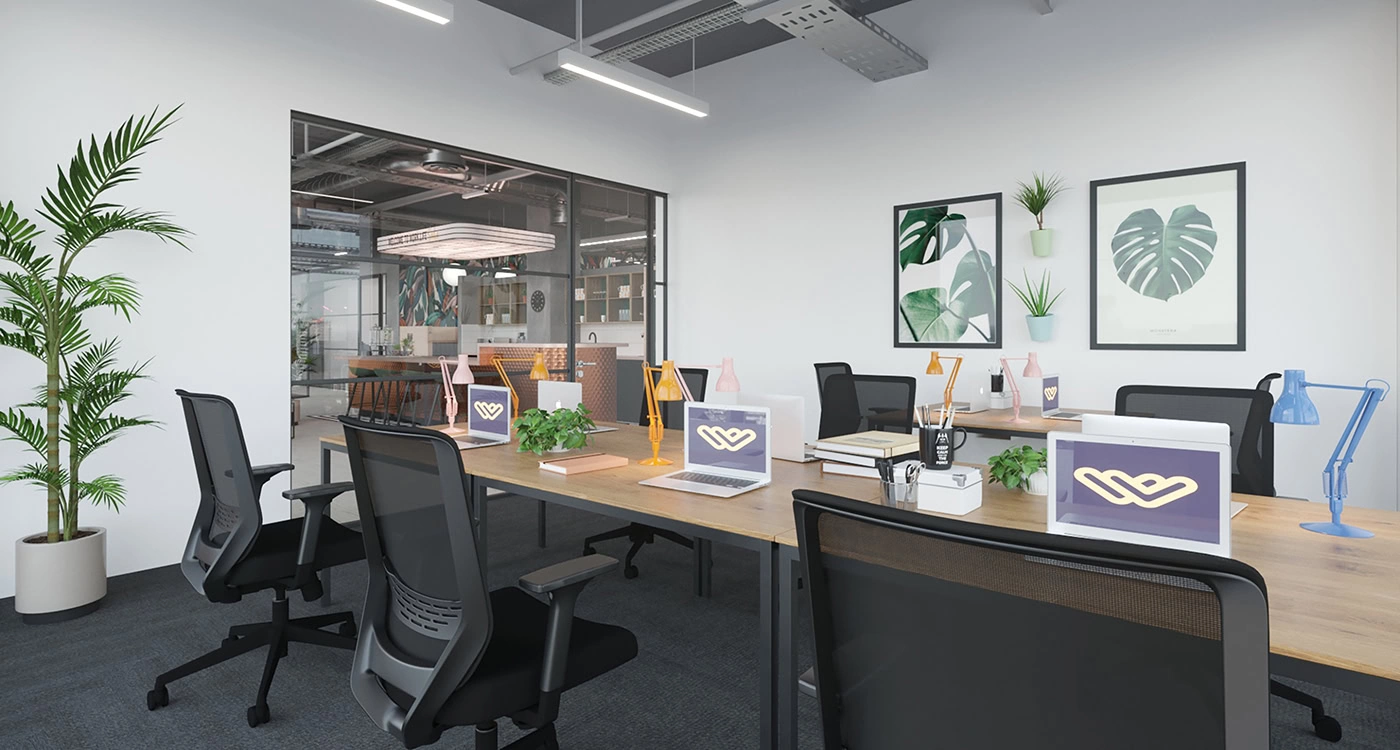
Your physical office has become more than just a place to work in the age of LinkedIn video updates, career advice on TikTok, and Instagram Stories that give behind-the-scenes glimpses into the culture of your company. It has quietly evolved into a broadcasting studio.
This shift presents a distinct opportunity for modern businesses. Your digital marketing plan now includes the visual environment in which your team works.
The ROI of Visual-First Branding
Insatiable demand exists for visual content. Companies run the risk of missing out on opportunities for organic marketing if they do not make changes to their physical environments to accommodate this shift.
There is solid evidence to support this investment regarding consumer behavior. According to recent HubSpot video marketing statistics, short-form video offers the highest ROI of any marketing trend, with a vast majority of consumers expressing a desire to see more online videos from brands.
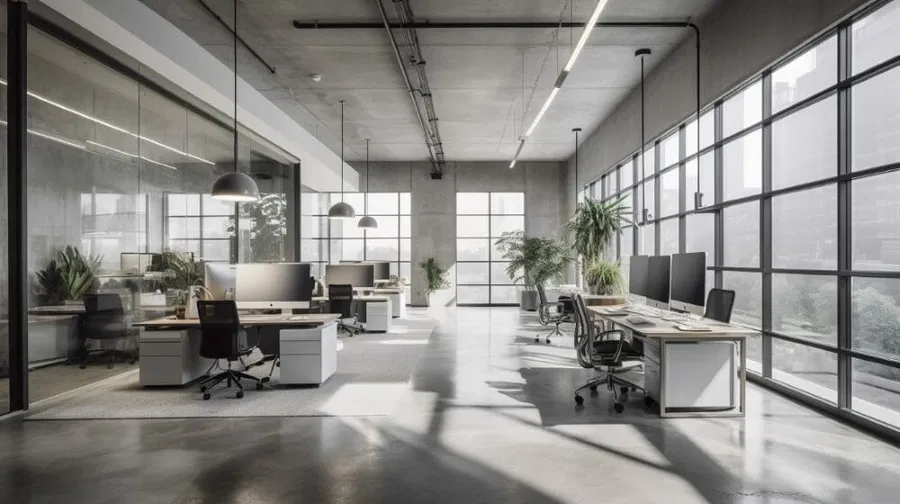
The Strategic Role of Spatial Design
Commercial interior designers play a crucial role in bridging the gap between form and function in this area. Beyond applying a new coat of paint and purchasing trendy furniture, creating a photogenic office requires a thorough understanding of how space looks through a camera lens.
Key elements of a “feed-ready” office include:
- Acoustic Privacy: Designated zones with sound-dampening materials that allow for clear audio recording without studio equipment.
- Variable Textures: Unlike flat painted walls, walls with wood, masonry, or lush plants give film backdrops dimension.
- Brand Integration: Subtle nods to brand colours in furniture and fixtures, ensuring every piece of content feels owned by the company without being overly promotional.
Creating a Space for Authentic Connection
While designing for digital impact is important, business leaders must avoid creating a sterile film set that makes employees feel alienated. The primary function of an office remains to facilitate work and foster culture. It’s interesting to note that, frequently, the same design principles that make an office look good on Instagram also tend to make it a better place to work. This has a deeper strategic component as well.
Audiences are looking for authenticity as digital channels become overrun with AI-generated content and polished advertisements. They would like to see actual people in real places.
In addition, the quality of the relationships that are formed in the physical office adds value to the culture that is communicated online. Relevant content frequently drives genuine engagement. You will likely discover that metrics favor authenticity over perfection as you use tools to audit your social media performance.
A well-designed office serves two functions simultaneously: it serves as a stage for your digital content and a haven for the offline connections that give that content its soul. You can use a fixed overhead expense as a dynamic marketing tool by treating your headquarters as a content asset.