

Operational accuracy has become a critical competitive advantage for modern businesses, moving beyond mere cost-cutting to serve as a driver of customer trust, operational speed, and strategic agility. In a digital-first economy, accuracy means executing tasks correctly the first time, ensuring data integrity, and delivering consistent, high-quality results.
What Is Operational Accuracy?
Operational accuracy is the degree to which business processes, tasks, and data reflect reality, adhering to standards without errors. It ensures, for example, that ordered items match shipped items (order accuracy) or inventory records match physical stock. High operational accuracy reduces costs, increases efficiency, and boosts customer satisfaction.
Key Parts of Operational Accuracy
Operational accuracy refers to the precision, consistency, and correctness with which an organization executes its tasks, processes, and data management. It is a fundamental driver of operational excellence, efficiency, and customer trust.
- Data Precision: Right info for decisions.
- Process Checks: Steps to catch mistakes.
- Team Training: Skills to do jobs well.
- Tech Tools: Software for auto fixes.
In business, accuracy ties to efficiency. Streamlined work means less waste. For instance, in trading, accurate inventory avoids overstock. This saves cash and space.
Experts say accuracy boosts productivity. It lets teams focus on growth, not fixes.
The Role of Operations Management in Success
The daily runs are managed by operations management. Processes are planned, controlled, and improved by it. By matching supply and demand, this position drives business successes. To save money, managers streamline tasks. They eliminate waste and boost output. This matters a lot in highly competitive markets.
How Operations Build Competitiveness
- Efficiency Gains: Faster work with fewer resources.
- Quality Control: High standards keep customers coming back.
- Agility: Quick changes to market shifts.
Studies show ops managers impact profits. They handle supply chains and production. Good management means on-time delivery and low errors.
For example, in retail, ops ensure shelves stay full. This prevents lost sales. In services, it means quick responses.
Operations tie to overall strategy. They support goals like growth or innovation.
Why Operational Accuracy Is a Competitive Advantage for Modern Businesses
Accuracy sets winners apart in tough markets. Why is operational accuracy a competitive advantage for modern businesses? It makes decisions that are better and saves money. Accurate ops reduce errors. Fixes cost less because of this. Price reduction or increased investment are options available to businesses. Speed is improved by accuracy. Teams work faster without mistakes. Customers adore the quicker service that this provides.
Benefits in Numbers
- 62% of retailers say data analytics, tied to accuracy, gives a competitive advantage.
- 79% of supply chain leaders bet on real-time action for edge.
- 92% of analytics pros see data as key to staying ahead.
These stats show accuracy pays off. It turns data into wins.
In ads, accurate targeting hits the right audiences. This boosts ROI. Media firms use automation for precise campaigns.
Examples from Real Businesses
Consider advertising firms. They have very short deadlines. Campaigns can begin quickly with accurate operations. The tools of MediaOcean automate invoicing, reducing discrepancies. In education for managers, schools stress ops roles. They demonstrate how market position is improved by accuracy. Accurate listings boost visibility for online sellers. Engaging posts are produced by using AI prompts. This draws more buyers.
Challenges in Achieving Accuracy
Not easy. Common issues include old systems and human errors.
Data silos block full views. Teams miss key info.
Rapid changes demand constant updates. Firms must stay agile.
Tools and Tech for Better Accuracy
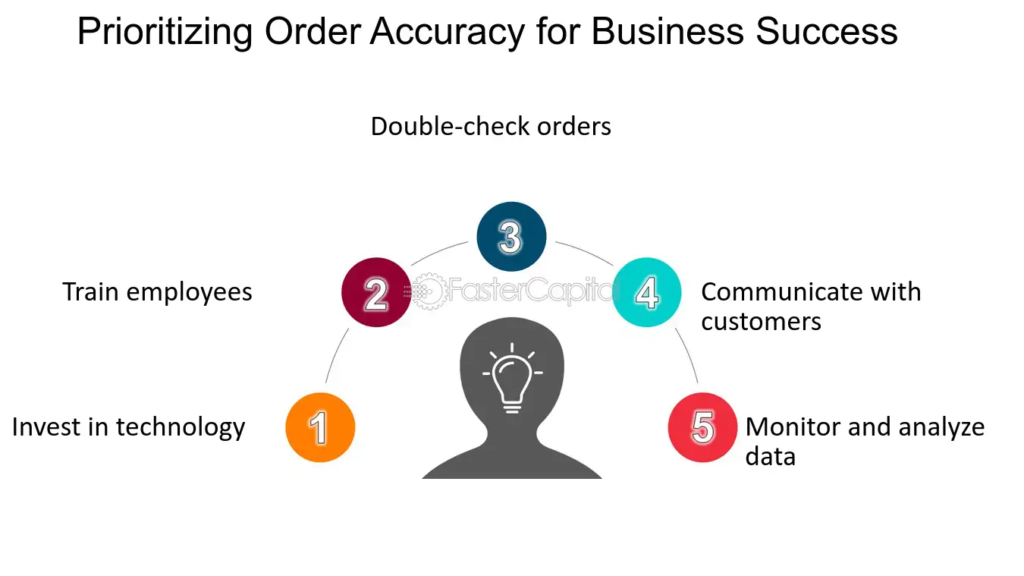
Tech is crucial. Manual errors are reduced by automation. AI identifies patterns and addresses issues. It predicts issues in operations. ERP systems, for example, keep track of everything. Precision is ensured by this. Platforms make it easy to buy and track ads.
Role of Data Analytics
Data drives accuracy. Analytics turn info into insights.
Predictive tools forecast needs. This avoids over or under stock.
62% see analytics as an advantage.
Use data for smart decisions.
Training for Operational Excellence
Staff need skills. Training builds accuracy.
Programs teach best practices. This reduces errors.
Ongoing learning keeps teams sharp.
In ops management schools, focus on these skills.
Measuring Operational Accuracy
Track with KPIs. Like error rates and on-time delivery.
Low errors mean high accuracy.
Use dashboards for real views.
Regular reviews improve over time.
Future Trends in Operations
AI and machine learning grow. They enhance accuracy.
Sustainability ties in. Accurate ops reduce waste, help the environment.
Remote work demands better tools for precision.
Stay ahead by adopting trends.
Conclusion
Why is operational accuracy a competitive advantage for modern businesses? It streamlines ops, cuts waste, and drives growth. From efficiency gains to customer loyalty, precision sets firms apart. Embrace it for lasting success. What steps will you take to boost accuracy in your business?