

1. What is regenerative medicine?
Regenerative medicine is a branch of medicine that focuses on repairing, replacing, or regenerating damaged cells, tissues, and organs to restore normal function. It uses the body’s own healing mechanisms along with advanced technologies to treat diseases and injuries.
2. What is an example of regenerative medicine?
An example of regenerative medicine is a branch of medicine that focuses on repairing, replacing, or regenerating damaged cells, tissues, and organs to restore normal function. It uses the body’s own healing mechanisms along with advanced technologies to treat diseases and injuries.
3. What is an example of regenerative medicine?
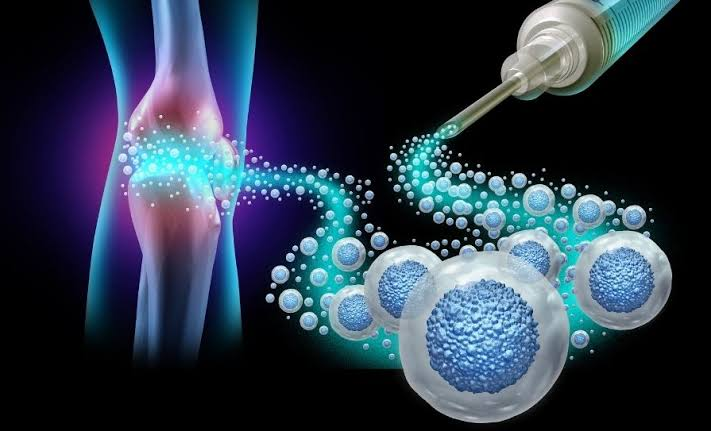
An example of regenerative medicine is stem cell therapy for repairing damaged tissues. For example, bone marrow stem cell transplantation is used to treat certain blood disorders such as leukemia. Healthy stem cells are introduced into the patient’s body, where they can produce new blood cells and help restore normal bone marrow function.
Other examples include:
- Skin regeneration: Growing artificial skin from a patient’s own cells to treat severe burns.
- Cartilage repair: Using stem cells or tissue-engineered materials to help repair damaged cartilage in joints.
- Heart tissue regeneration research: Using stem cells to develop new heart muscle cells after heart damage.
- Gene therapy: Modifying genes in cells to treat certain inherited diseases.
These approaches aim not just to relieve symptoms but to restore damaged tissues or organs by encouraging repair and regeneration
4. Is regenerative medicine FDA-approved?
Yes, some regenerative medicine products are FDA-approved, but many regenerative medicine treatments are still experimental and are not approved for general use. Examples of FDA-approved regenerative medicine products include:
- Certain blood-forming stem cell products (such as hematopoietic stem cell therapies from umbilical cord blood) used for specific blood and immune system disorders.
- Some cell-based and tissue-engineered products used for wound healing and tissue repair.
However, many treatments marketed as “stem cell therapies”—such as injections for arthritis, anti-aging treatments, spinal cord injuries, or many neurological conditions—do not have FDA approval unless they have gone through the required clinical trials and regulatory review.
The FDA reviews regenerative medicine products for:
- Safety
- Effectiveness
- Quality and manufacturing standards
Patients should check whether a specific regenerative therapy is FDA-approved for their particular condition and be cautious of clinics offering unproven treatments. The FDA maintains information about approved regenerative medicine products and warnings about unapproved products on its official
5. What are the 4 types of regeneration?
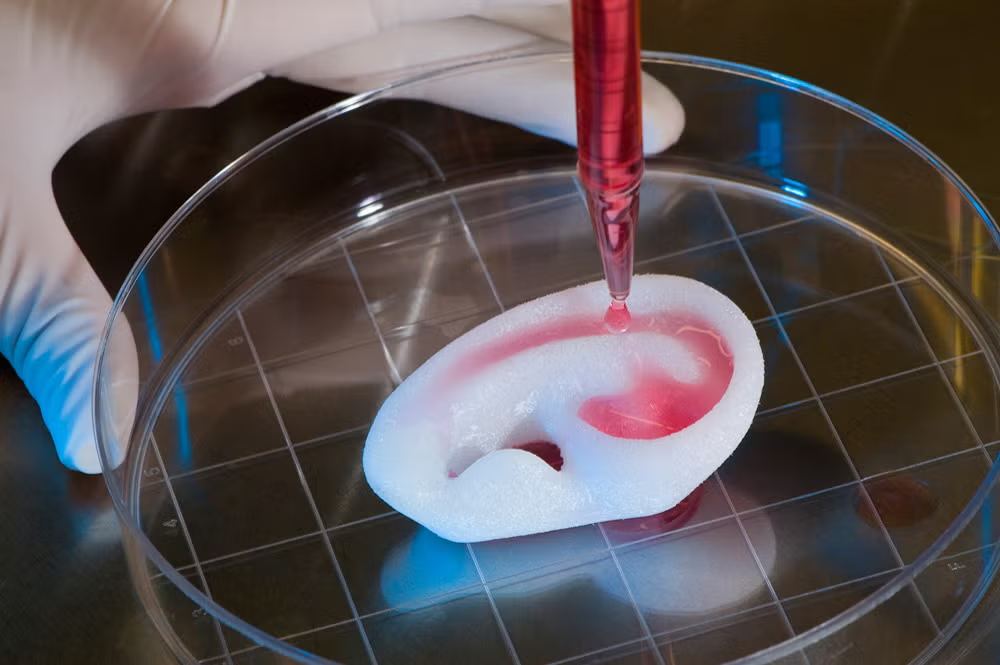
The four types of regeneration (in biology and regenerative medicine) are commonly described as the following:
- Restorative regeneration
- Replacement of lost or damaged cells, tissues, or organs with new ones that restore the original structure and function.
- Example: Skin healing after a cut.
- Compensatory regeneration
- Cells divide to maintain or restore the size and function of a tissue without necessarily recreating the exact original structure.
- Example: The liver growing back after part of it is removed.
- Epimorphic regeneration
- Formation of a new structure through the development of a specialized mass of cells called a blastema, which grows into the missing part.
- Example: A salamander regrowing a lost limb.
- Morphallactic regeneration
- Regeneration that occurs mainly through the reorganization and remodeling of existing cells rather than large amounts of new cell growth.
- Example: Some simple organisms, such as hydra, rebuild their bodies from existing tissues.
In regenerative medicine, researchers study these natural regeneration processes to develop therapies that can help repair or replace damaged human tissues.