
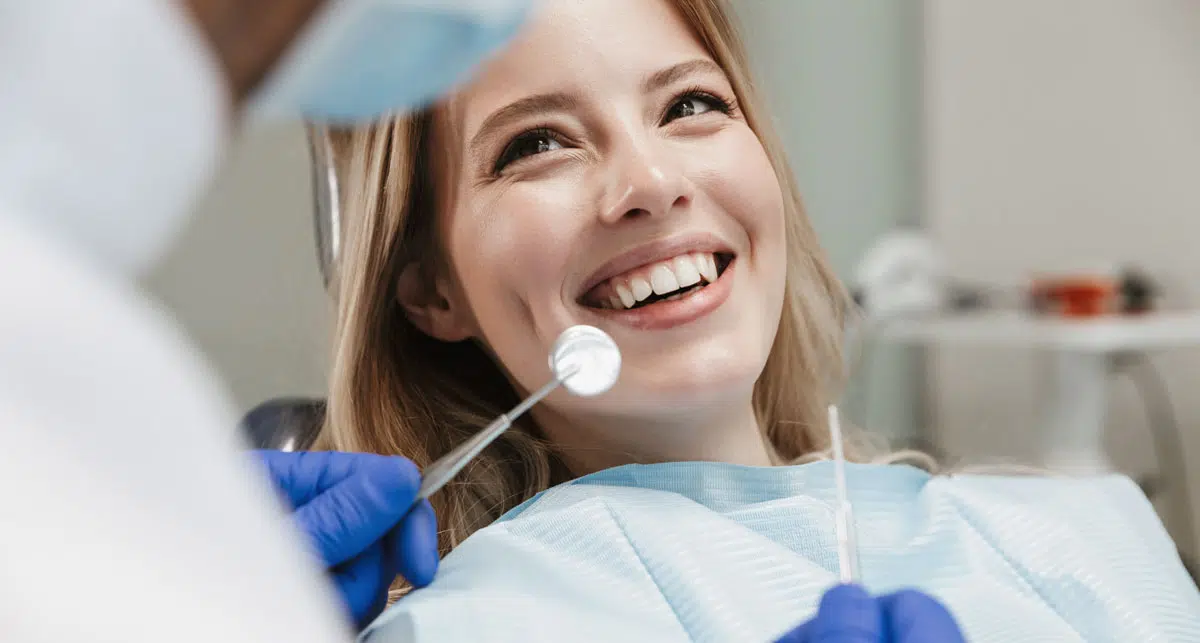
The gritty taste of polishing paste and the familiar hum of a scraper used to accompany a trip to the dentist. Although these conventional techniques have been beneficial to patients for many years, preventative dentistry is currently undergoing transformation. These days, an increasing number of nearby clinics are using more sophisticated cleaning techniques.
A major advancement in the dental care given by a Winnipeg dentist is Guided Biofilm Therapy (GBT). It shifts from a universal scraping method to a customized and cozy one. This change will result in cleaner teeth and more enjoyable dental visits for Winnipeg people.
A Gentle Approach to Plaque Removal
Guided Biofilm Therapy differs mostly in its approach. Tartar is frequently removed by hand using metal tools during traditional cleanings, which can occasionally be painful. In contrast, GBT begins with a dye that allows the patient and the dentist to see both fresh and old plaque. The dental team can pinpoint the precise locations of problem regions with this phase.
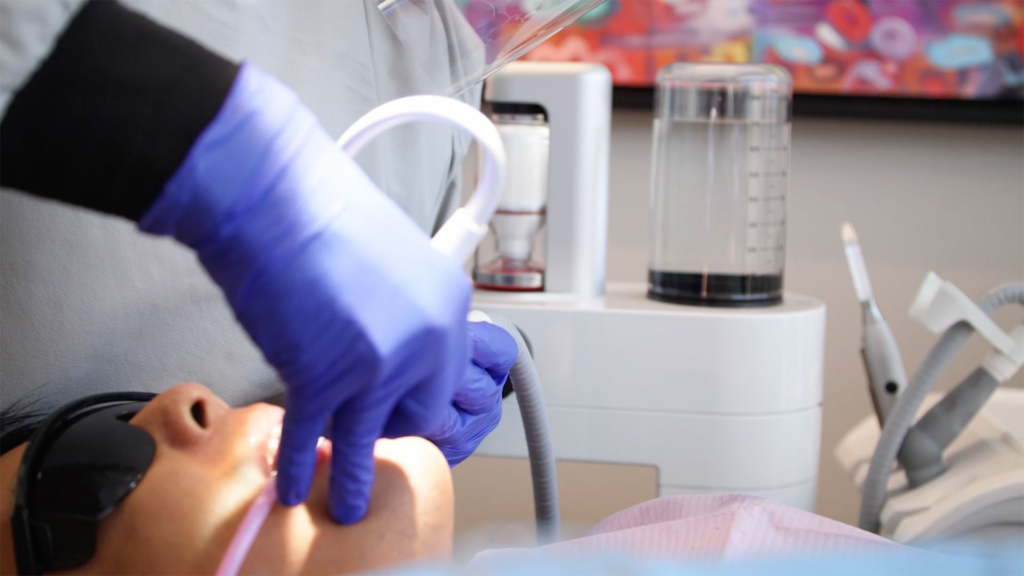
A stream of warm air and water is then used to carefully remove the biofilm off the teeth, even in difficult-to-reach areas. Compared to traditional scaling, this method is far milder for many individuals. Without the sensitivity that occasionally follows a routine cleaning, it leaves teeth feeling clean and smooth.
A Clear View for Patients
The way that GBT enhances communication during a check-up is among its most beneficial features. Patients in Winnipeg are presented with a striking image when they can see the stained plaque on their own teeth. Instead of merely offering advice, it turns the conversation about flossing into an actual occurrence. During their usual at-home care, people can see the areas they might be missing. People can have a deeper understanding of their dental health thanks to this instant feedback. It transforms a passive cleaning into an active oral hygiene education.
Comfort for Sensitive Teeth and Gums
Fear of discomfort keeps many people from going to the dentist, especially those who have sensitive teeth or gums. This issue was taken into consideration when designing guided biofilm therapy. The airflow method is often quieter and less invasive than the sound and feel of a metal scaler. The gadget does not produce the heat or pressure associated with conventional polishing because it uses a moderate spray of water and powder. People of all ages find the event more bearable as a result. Patients who were previously nervous are now more inclined to make their routine preventative care appointments, according to dental offices in Winnipeg.
A Thorough and Efficient Cleaning Process
The effectiveness of the treatment is what really convinces a Winnipeg dentist, even though patient comfort is a major benefit. Manual instruments could miss pockets and crevices that the airflow technology can reach. Compared to conventional polishing techniques, it more thoroughly breaks off the bacterial biofilm.
The microorganisms that cause gum disease and cavities are lessened by this thorough cleaning. Additionally, the procedure is more effective for the dental team, freeing them up to concentrate on other facets of patient care. A higher level of cleanliness in the same length of time is the outcome.
Winnipeg’s shift to guided biofilm therapy is indicative of a larger dental trend that emphasizes patient comfort, education, and prevention. This method turns a routine cleaning into a healthier experience by making plaque visible and removing it gently. After using the chair, patients have a cleaner mouth and a greater knowledge of how to keep it that way.