
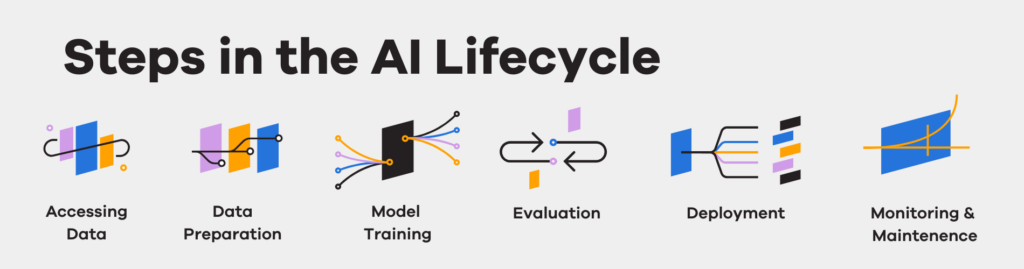
AI deployment is a critical stage in the machine learning (ML) lifecycle, indicating the movement of an AI model from development to real-world application. After all, artificial intelligence is no longer a futuristic concept; it is a present-day reality that is revolutionizing industries and reshaping business operations. The route from generating advanced AI models to delivering concrete commercial value, however, is dependent on the vital step of AI deployment. This procedure entails putting the model into a production setting where it can provide actionable insights and aid in decision-making. As more enterprises employ AI technologies, knowing the subtleties of AI deployment becomes critical. This essay goes into the complexities of AI deployment, addressing its definition, significance, major components, obstacles, best practices, and the critical role it plays in the overall
What is AI deployment?
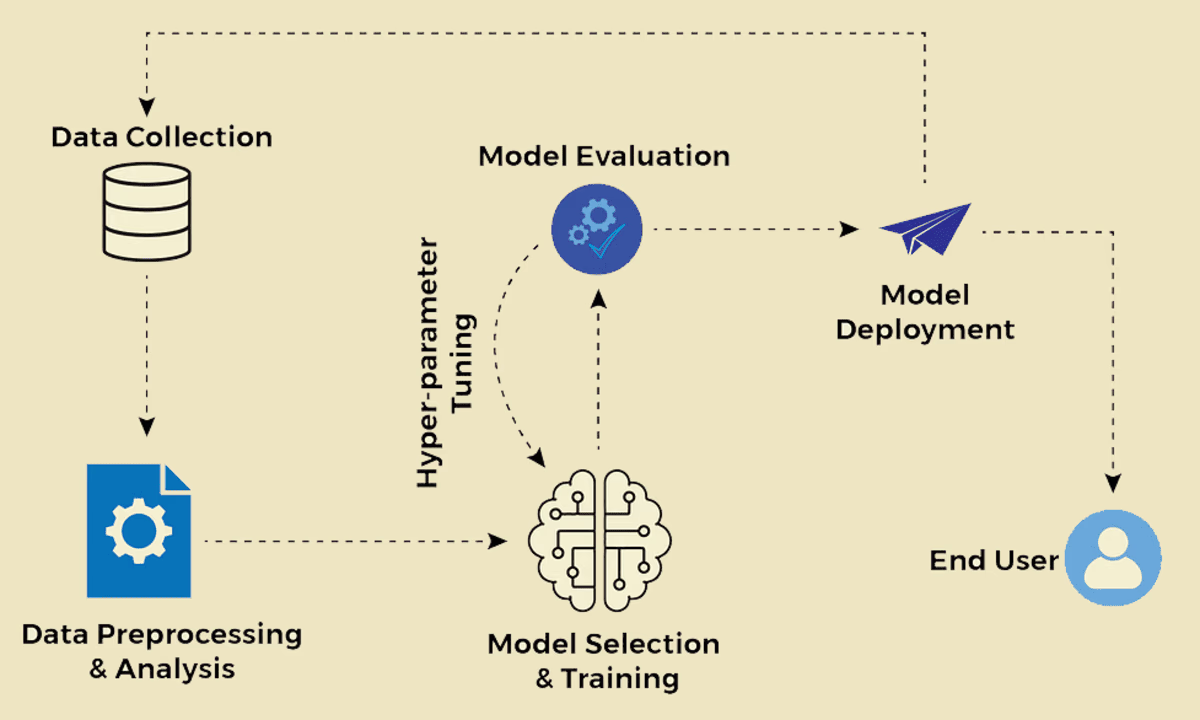
AI deployment is the process of integrating an AI model into a production environment in order to make data-driven choices. This stage is critical because it converts a theoretical model into a useful tool that enterprises may utilize for a variety of purposes, including generative AI technologies, predictive analytics, automation, and decision assistance. In essence, it is the process of making AI models operational and usable in real-world applications.
Why AI Deployment Matters
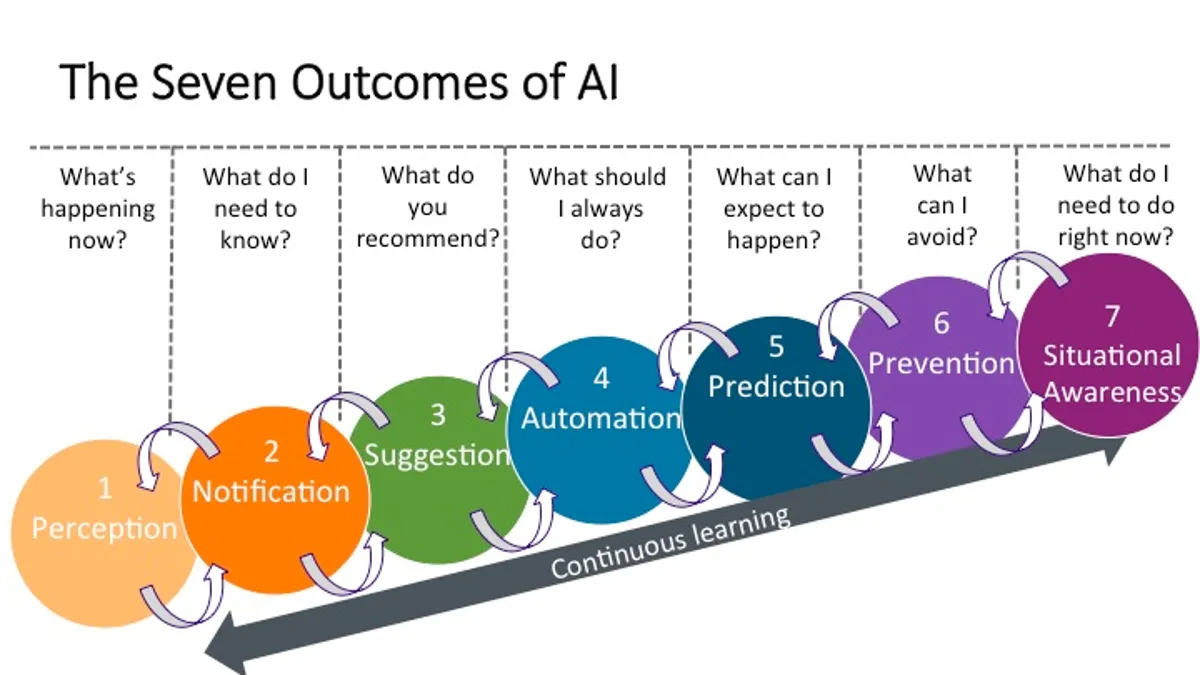
The importance of AI deployment cannot be overemphasized. It acts as a link between data science and business operations, development, and outcomes. Effective AI implementation, when combined with complete AI management, ensures that the insights created are accessible and actionable for stakeholders throughout an organization, allowing the company to adapt quickly to the market. changes, streamline operations, and improve customer experiences. Effective AI adoption enables businesses to
Respond rapidly to market dynamics: Use real-time analytics to answer market changes and client expectations.
Improve operational efficiency by streamlining workflows, automating repetitive tasks, and reducing resource inefficiencies.
Improve customer experiences by providing targeted, proactive solutions to customer pain areas based on AI insights.
Drive innovation: Push the limits of operational capabilities to create new ideas and opportunities.
Gain a competitive edge: Use innovative capabilities to stay ahead in a continuously changing market context.
Key Components of an AI Deployment
Successful AI deployment requires several critical components that contribute to its effectiveness:
1. Model Configuration.
It is critical to configure the model to handle incoming data correctly. This includes establishing input and output parameters, as well as assuring compatibility with current systems. For example, when deploying an image recognition model, customizing the input parameters to accept diverse picture formats and resolutions is critical to its usefulness across multiple applications.
2. Data Integration
The deployed model must be able to connect and interact with a variety of data sources. This could include connecting to databases, APIs, or streaming data sources. For example, combining an AI model with sales records and social media feeds can provide a comprehensive perspective of client behavior, allowing for more focused marketing campaigns.
3. User Interface Development
Developing a user-friendly interface is critical for many applications, particularly those that involve end users or decision-makers. This interface enables users to efficiently interact with the model’s outputs. For example, a well-designed dashboard that visualizes a demand forecasting model’s projections can help supply chain managers make informed decisions rapidly.
4. Monitoring and Maintenance
Following deployment, continuous monitoring is required to ensure that the model functions as planned. This includes monitoring performance data and making modifications as necessary.
5. Feedback Loops
Creating tools for gathering user feedback is critical for improving the model over time. This ensures that the AI solution remains practical and relevant to user demands.
What Does AI Deployment Involve?
Creating an AI enablement platform entails numerous key responsibilities.
1. Configuration
Configuring the model entails determining how it will handle incoming data and what predictions or classifications it will make. This could include selecting appropriate algorithms or adjusting hyperparameters for peak performance.
2. Testing
Before full-scale deployment, rigorous testing must be conducted to ensure that the model behaves as expected under various scenarios. This testing phase often includes unit, integration, and user acceptance tests.
3. Documentation
Comprehensive documentation is required for both technical teams and end users. It should outline the model’s use, its dependencies, and troubleshooting steps for common issues.