

A public apology is a formal statement in which a person, organization, or public figure acknowledges wrongdoing, expresses remorse, and addresses those affected in a public forum. It is typically delivered through the media, a press conference, social media, an open letter, or another widely accessible platform.
An effective public apology often includes:
- Acknowledgment of the mistake: Clearly stating what happened
- Acceptance of responsibility: Taking ownership of one’s actions rather than shifting blame.
- Expression of remorse: Conveying genuine regret for the harm caused.
- Request for forgiveness (optional): Some apologies include this, though it is generally more important to demonstrate accountability than to ask for forgiveness.

What is the best apology message?
I sincerely apologize for my actions and the impact they have had. I take full responsibility for my mistake and understand that my words and actions may have caused hurt, disappointment, or inconvenience.
There is no excuse for what happened. I will take meaningful steps to make things right and to ensure that this does not happen again.
Thank you for taking the time to hear my apology.
What is an official apology?
- A clear acknowledgment of what happened.
- Acceptance of responsibility (where appropriate).
- An expression of sincere regret or remorse.
- Recognition of the impact on those affected.
- A commitment to corrective actions or preventing similar issues in the future.
“We acknowledge that our actions fell short of the standards expected of us. We sincerely apologize to everyone affected. We take full responsibility for this matter and are implementing corrective measures to ensure it does not happen again.
- Government officials or public institutions.
- Companies responding to customer or public concerns.
- Nonprofit organizations.
- Public figures acting in an official role.
What is the biggest apology?
Some of the most notable apologies include:
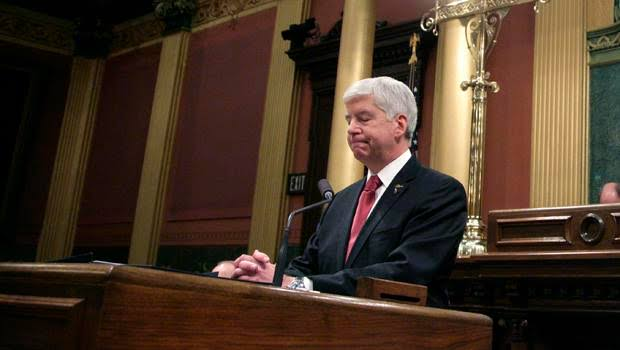
- Willy Brandt (1970): During a visit to Warsaw, he unexpectedly knelt at the memorial to the victims of the Warsaw Ghetto Uprising. Although he spoke few words, the gesture became one of the most powerful acts of remorse for Nazi-era crimes.
- Kevin Rudd (2008): Formally apologized on behalf of the Australian government
- Justin Trudeau: Has issued several official apologies on behalf of the Canadian government, including apologies to Indigenous communities and other groups harmed by historical government policies.
- Shinzo Abe and previous Japanese leaders have expressed remorse and apologies related to Japan’s actions during World War II, though the wording and scope have been the subject of ongoing debate.
- Catholic Church: Various popes, including Pope Francis, have issued formal apologies for abuses committed by members of the Church, including sexual abuse and the Church’s role in residential schools in Canada.
- Fully acknowledges the wrongdoing.
- Takes responsibility without excuses.
- Expresses genuine remorse.
- Recognizes the harm caused.
- Includes concrete actions to make amends and prevent recurrence.
What is a best apology message
A heartfelt apology is a sincere and emotionally genuine expression of regret for causing harm, disappointment, or pain. It goes beyond simply saying “I’m sorry” by showing that the person understands the impact of their actions, accepts responsibility, and genuinely wants to make things right.
- Sincerity: Expressing genuine regret rather than apologizing just to end a conflict.
- Acknowledgment: Recognizing what happened and how it affected others.
- Responsibility: Accepting one’s role without making excuses or shifting blame.
- Empathy: Showing understanding of the other person’s feelings.
- Commitment to change: Taking steps to avoid repeating the mistake. I understand that my actions affected you, and I take full responsibility for my mistake. I regret what happened and the impact it had on you. I will learn from this experience and do my best to make sure it does not happen again. Thank you for giving me the opportunity to make things right.