
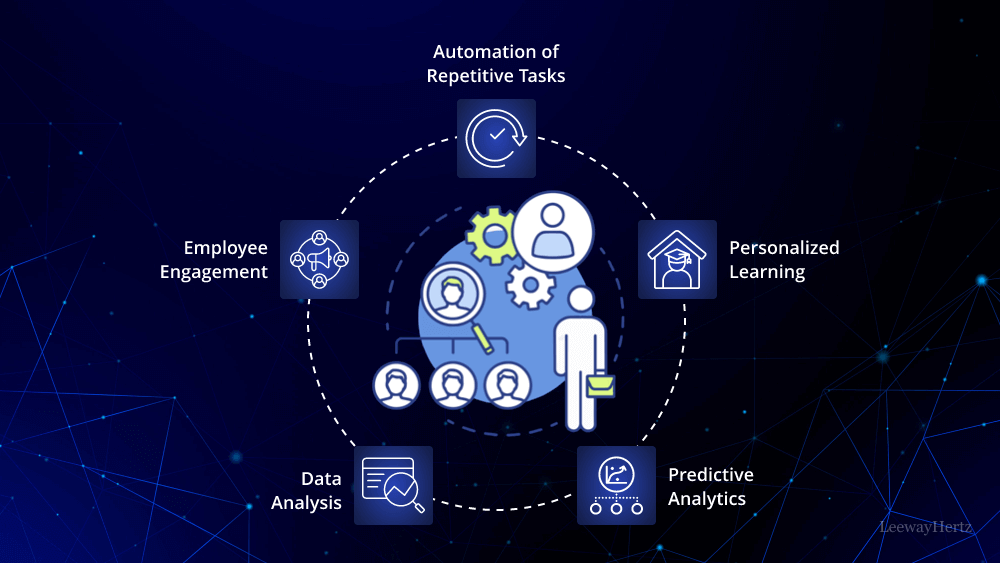
AI agents are software capable of reasoning, planning, and executing multi-step tasks—driving efficiency across numerous key business domains:
Customer Service & Support
Agents handle complex customer inquiries end-to-end, going beyond basic scripted responses. They cross-reference order history, process returns, issue refunds, and troubleshoot technical issues around the clock without manual intervention.
Finance & Accounting
In financial operations, agents automate invoice processing, perform real-time fraud detection, generate cash-flow forecasts, and streamline compliance audits. They rapidly cross-examine millions of transactions to flag anomalies before they impact revenue.
Supply Chain & Logistics
Agents optimize inventory levels, route shipping dynamically based on weather or traffic data, and predict material shortages. By coordinating directly with vendors, they mitigate supply chain bottlenecks and keep operational costs down.
Human Resources & Recruitment
In HR, agents draft role descriptions, screen resume databases, schedule interviews, and guide new hires through onboarding paperwork. They also help answer complex benefits questions and track employee retention metrics.
Software Engineering & IT
IT agents autonomously monitor network security for threats, review code for bugs, run automated testing pipelines, and resolve system outages. This reduces downtime and accelerates product deployment cycles.
Sales & Marketing
Marketing agents analyze consumer trends, run continuous A/B testing on ad campaigns, personalize outreach, and qualify leads. They ensure sales teams focus their energy on high-value prospects with actionable insights.
Technical & Decision-Making Architectures
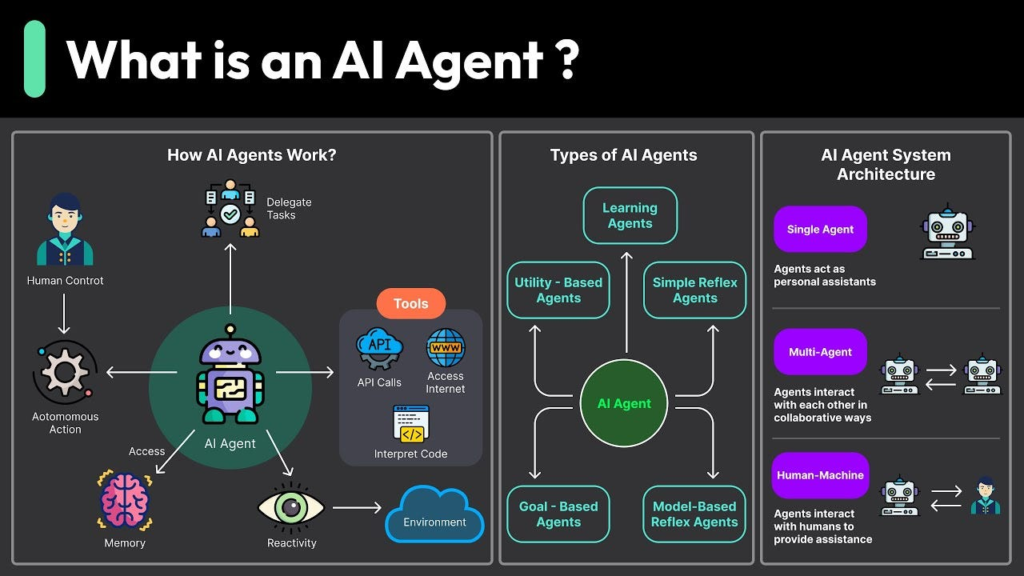
Simple Reflex Agents
Simple reflex agents operate entirely on predefined “if-then” rules without storing past experiences. In business, they process repetitive, low-complexity actions triggered by specific events—such as auto-routing inbound emails to departments based on keywords or flagging missing form fields during data intake.
Model-Based Reflex Agents
Model-based agents track an internal state of their environment over time, allowing them to account for historical context rather than acting solely on immediate input. Companies use model-based agents to handle partially observable environments, such as monitoring real-time inventory levels against past sales trends to flag low stock before shortages occur.
Goal-Based Agents
Goal-based agents evaluate multiple potential paths and plan multi-step actions to achieve a clear objective. In business operations, these agents excel at dynamic scheduling, supply chain route planning, and automated project management, where the agent must weigh alternative workflows to complete a project efficiently.
Utility-Based Agents
Utility-based agents advance beyond basic goals by calculating a “utility score” to determine the best possible outcome when trade-offs exist. Financial institutions and retailers use them for automated credit risk assessment, portfolio management, and dynamic pricing algorithms that balance profitability with market competitiveness.
Learning Agents
Learning agents analyze feedback and new data streams to continuously adapt and improve their decision-making over time. Businesses deploy learning agents for predictive maintenance in manufacturing, individualized marketing personalization, and automated fraud detection systems that adapt as fraud patterns evolve.
Functional Business Roles
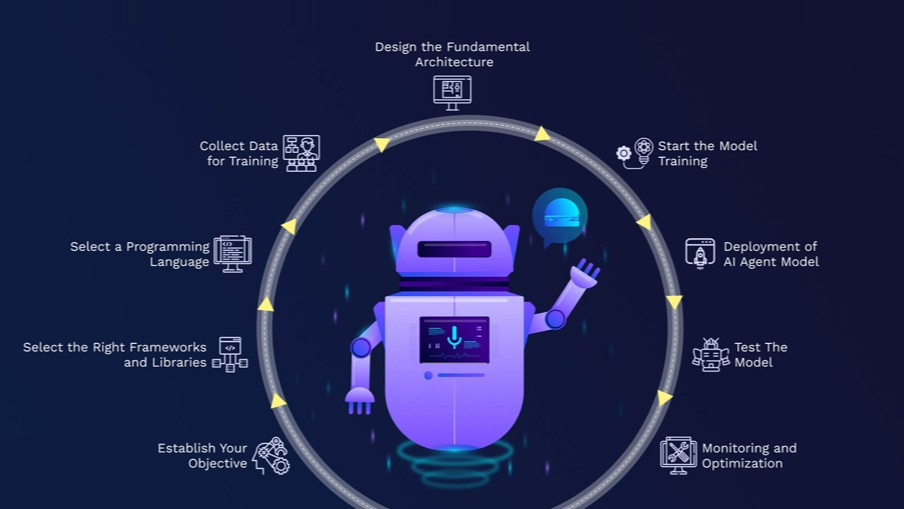
Customer & Employee Experience Agents
Customer experience agents handle end-to-end support inquiries across channels by parsing natural language, accessing back-end enterprise software (CRMs, logistics databases), and executing actions like issuing refunds or processing account updates. Similarly, internal employee agents assist staff with IT troubleshooting, HR policy inquiries, and streamlined onboarding tasks.
Data Analytics & Business Intelligence Agents
Data agents query vast unstructured and structured databases, perform complex comparative analysis, generate automated reports, and alert stakeholders to emerging operational risks or strategic opportunities.
Engineering & Developer Agents
Code agents assist software engineering teams by generating code snippets, running automated testing suites, identifying security vulnerabilities, and managing deployment pipelines independently.