
1. What is a diagnostic test?
A diagnostic test is an assessment used to identify a person’s current knowledge, skills, strengths, weaknesses, or the cause of a problem before further instruction or treatment.
There are two common contexts:
- In education: A diagnostic test is given before teaching to determine what students already know and what they need to learn. Teachers use the results to plan lessons and provide appropriate support.
- In healthcare: A diagnostic test is a medical examination or procedure used to identify or confirm a disease, condition, or injury. Examples include blood tests, X-rays, and MRI scans.

2. What is an example of a diagnostic test in education?
An example of a diagnostic test in education is a pre-test given before a new lesson or course.
For example:
- Mathematics: Before teaching fractions, a teacher gives a short quiz to check whether students already understand basic concepts such as addition, subtraction, and simple fractions.
- English: At the beginning of the school year, students complete a reading comprehension and grammar test to identify their reading level and language skills.
- Science: Before starting a unit on ecosystems, students answer questions about food chains, habitats, and living organisms to assess their prior knowledge.
3. What are some common diagnostic tests?

Common diagnostic tests in education include:
- Pre-tests – Given before a lesson or unit to assess students’ prior knowledge.
- Skills assessments – Measure specific skills such as reading, writing, mathematics, or language proficiency.
- Reading diagnostic tests—Identify students’ reading level, comprehension, vocabulary, and fluency.
- Writing assessments – Evaluate grammar, spelling, organization, and writing ability.
- Mathematics diagnostic tests – Assess understanding of mathematical concepts and problem-solving skills.
- Language proficiency tests – Measure listening, speaking, reading, and writing skills in a language.
- Observation checklists – Teachers observe students’ performance and record strengths and areas needing improvement.
- Diagnostic quizzes – Short quizzes used to identify misconceptions or learning gaps before instruction.
4. What is the full meaning of diagnostic?
The word “diagnostic” comes from the Greek word “diagnōstikos,” meaning “able to distinguish or identify.”
Definition:
“Diagnostic” means relating to the identification of the nature, cause, or condition of a problem, disease, or learning need through examination or testing.
5. What is the most popular diagnosis?
The phrase “most popular diagnosis” can mean different things depending on the context. In medicine: There is no single “most popular” diagnosis worldwide because it varies by age, location, and time. However, some of the most common diagnoses include:
High blood pressure (hypertension)
Common cold (viral upper respiratory infection)
Type 2 diabetes
Anxiety disorders
Depression
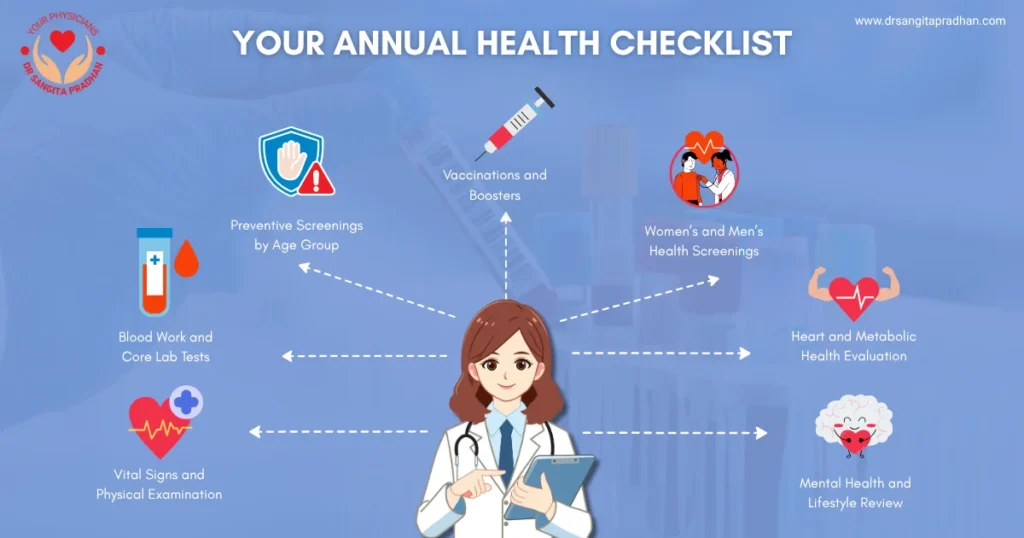
6. Who Should Get Regular Health Screenings?
Regular diagnostic tests are recommended for:
- Adults undergoing routine health checkups.
- Individuals with a family history of chronic diseases.
- People with high blood pressure, diabetes, or obesity.
- Pregnant women.
- Older adults who require age-related health screenings.
Healthcare providers recommend different screening schedules based on age, sex, medical history, lifestyle, and individual risk factors.
7. Benefits of Regular Diagnostic Testing
- Early detection of disease.
- Better treatment outcomes.
- Reduced healthcare costs through prevention.
- Improved quality of life.
- Peace of mind through routine health monitoring.
Conclusion
Diagnostic tests are essential tools for maintaining good health. From simple blood tests to advanced imaging scans, these screenings help detect diseases early and guide appropriate treatment. Regular health checkups, combined with a healthy lifestyle and medical advice, can significantly improve long-term health and well-being.