
Retail digital transformation is no longer a future concept—it is a business imperative. As consumer expectations continue to evolve and technology advances at an unprecedented pace, retailers must embrace digital innovation to remain competitive. From personalized shopping experiences and AI-powered automation to advanced analytics and omnichannel strategies, digital transformation is redefining how retailers operate, engage customers, and drive sustainable growth.
In this article, we’ll explore what retail digital transformation means, the technologies driving change, the challenges retailers face, and the strategies businesses can adopt to succeed in today’s digital marketplace.
What Is Retail Digital Transformation?
Retail digital transformation is the process of integrating digital technologies across every aspect of a retail business. It extends beyond launching an online store or adopting new software—it involves fundamentally changing how a business operates, serves customers, and makes strategic decisions.
Digital transformation influences key business areas, including:
- Supply chain management
- Inventory control
- Customer experience
- Marketing and sales
- Data analytics
- Store operations
- Employee productivity
By embracing digital technologies, retailers can improve operational efficiency, reduce costs, and deliver seamless customer experiences across every channel.
What Is Driving Digital Transformation in Retail?
Several factors are accelerating the need for digital transformation in the retail industry.
Evolving Consumer Expectations
Modern consumers expect convenience, personalization, and fast service.
Growth of E-Commerce
The rapid expansion of online shopping has increased competition, making it essential for traditional retailers to strengthen their digital presence and offer frictionless shopping experiences.
Omnichannel Shopping
Retailers must connect these touchpoints to provide a unified experience.
Data-Driven Decision Making
Retailers now collect vast amounts of customer and operational data. Businesses that effectively analyze this information can make smarter decisions and respond more quickly to market changes.
Advances in Artificial Intelligence
AI, automation, machine learning, and predictive analytics are helping retailers optimize operations, personalize marketing, and improve customer service.
The Rise of Omnichannel Retail
One of the most significant outcomes of retail digital transformation is the shift toward omnichannel retailing.
Key Elements of an Omnichannel Strategy
- Seamless integration between online and physical stores
- Real-time inventory visibility
- Unified customer profiles across channels
- Click-and-collect and curbside pickup options
- Consistent pricing and promotions across platforms
Artificial Intelligence Is Transforming Retail
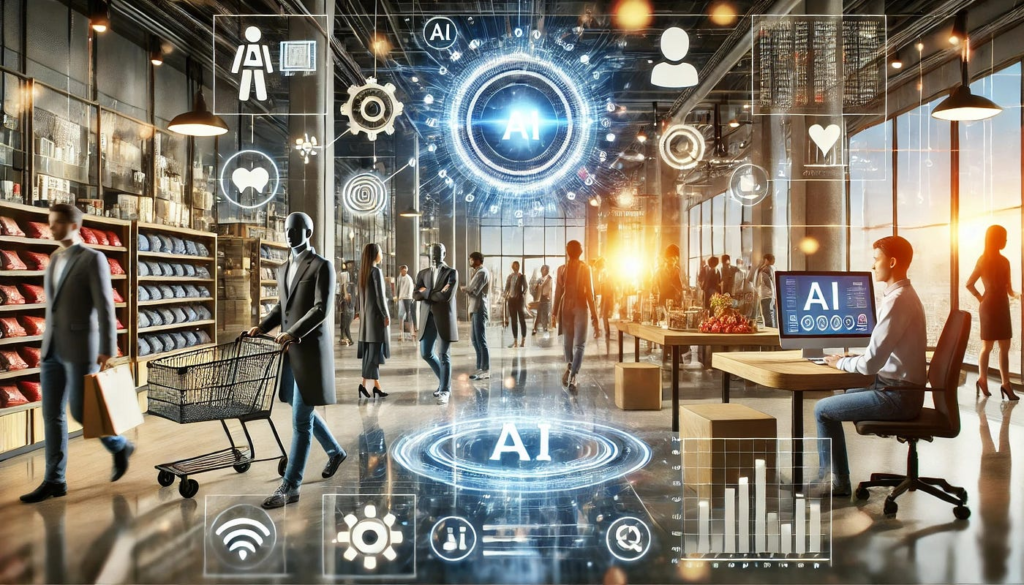
Artificial intelligence has become one of the most valuable technologies in modern retail. AI enables businesses to process large volumes of data, automate repetitive tasks, and predict customer behavior with remarkable accuracy.
Common Applications of AI in Retail
- Personalized product recommendations
- AI-powered customer support chatbots
- Demand forecasting
- Inventory optimization
- Dynamic pricing
- Fraud detection
- Visual search capabilities
Data Analytics: Turning Information into Business Growth
Data has become one of retail’s most valuable assets. Every transaction, website visit, and customer interaction generates valuable insights that help retailers understand consumer behavior.
Benefits of Retail Data Analytics
- Identifying customer preferences
- Improving marketing performance
- Optimizing pricing strategies
- Forecasting demand
- Enhancing supply chain efficiency
- Measuring customer lifetime value
Retailers that leverage advanced analytics gain a significant competitive advantage by making informed, evidence-based decisions.
The Continued Growth of E-Commerce
E-commerce continues to reshape consumer shopping habits.
Major E-Commerce Trends
- Mobile commerce (m-commerce)
- Social commerce through platforms like Instagram and TikTok
- Faster shipping and same-day delivery
- Subscription-based shopping models
- Personalized online shopping experiences
Retailers that invest in scalable e-commerce platforms can expand their market reach and increase revenue opportunities.
Automation and Smart Supply Chains
Digital transformation is revolutionizing retail supply chains through automation and intelligent technologies.
Technologies Improving Supply Chain Operations
- Warehouse robotics
- Internet of Things (IoT) sensors
- Automated inventory management
- Blockchain for product traceability
- Predictive demand forecasting
These innovations reduce operational costs, improve inventory accuracy, and enable retailers to respond more effectively to changing customer demand.
Enhancing Customer Experience Through Technology
Digital technologies allow retailers to create highly personalized and engaging shopping journeys.
Technology-Driven Customer Experience Improvements
- Personalized marketing campaigns
- Augmented reality (AR) virtual try-ons
- Contactless and mobile payments
- AI-powered shopping assistants
- Loyalty programs driven by customer data
By delivering relevant, convenient, and memorable experiences, retailers can strengthen customer loyalty and increase repeat purchases.
Cybersecurity: A Critical Component of Digital Retail
Essential Cybersecurity Practices
- Secure payment processing systems
- End-to-end data encryption
- Multi-factor authentication
- Regular security audits
- Employee cybersecurity training
- Compliance with data privacy regulations
Challenges of Retail Digital Transformation
Common Challenges
- High technology investment costs
- Integrating modern solutions with legacy systems
- Organizational resistance to change
- Managing large volumes of data
- Skills shortages and workforce training needs
- Maintaining cybersecurity across digital platforms
Overcoming these challenges requires careful planning, executive support, and a long-term transformation strategy.
Future Trends Shaping Retail
Retail innovation continues to accelerate as new technologies emerge.
Technologies to Watch
- More advanced artificial intelligence
- Voice commerce
- Autonomous delivery solutions
- Hyper-personalization
- Smart stores powered by IoT
- Generative AI for customer engagement
- Extended reality (XR) shopping experiences
Best Practices for Successful Digital Transformation
Technology alone does not guarantee success. Effective transformation requires strong leadership, a customer-focused mindset, and continuous innovation.
Steps to Achieve Digital Transformation
- Define clear business objectives.
- Invest in scalable digital technologies.
- Build a culture of innovation.
- Upskill employees with digital training.
- Prioritize customer experience.
- Use data to guide strategic decisions.
- Continuously measure and optimize performance.
Conclusion
As digital innovation continues to evolve, retailers that remain agile, customer-focused, and technology-driven will be best equipped to thrive in an increasingly competitive marketplace. By embracing the right strategies today, businesses can build a resilient, future-ready retail operation that delivers long-term success.